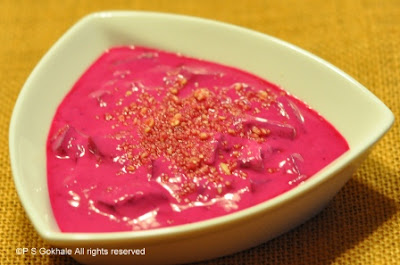
This is a delicacy and generally made in Maharashtra and Gujarat. In Maharashtra it is called “surali chi vadi" while in Gujarat it is called “khandvi”. It is a popular appetizer and if you can make it well then it is a sign that you are a skilled cook.
It has very simple ingredients and the main components are chickpea flour/besan and yogurt/ buttermilk. The mixture is cooked with some spices, then spread out and once cooled, rolled into delicate little rolls. Sounds simple enough right? However, ask most people if this is a recipe they are willing to make often and the most common answer is “no, it is a difficult recipe”. There are three main reasons for this. First, it requires you to constantly stir the mixture, to avoid forming lumps and that takes its toll on your arm. Second, it is tricky to determine at what consistency you need to stop cooking as the mixture must not be overcooked or undercooked, else it is tough to form the rolled shape. And finally spreading the mixture out in a timely manner, while it is hot, so that the layer created is thin enough to be rolled up. All these steps need you to be careful, pay attention to what is going on in the cooking process and hence it becomes laborious. However valid these reasons, don’t be scared and definitely make this recipe. As you make it more often, you will get the hang of it. In the worst case scenario the mixture will be too soft or too thick, to be rolled up into a pretty shape, but it will taste great even if you use a spoon to eat it or cut it into slices and eat it. So go ahead and try it. You will want to make it more often, and soon it will become one of your "easy to make and impress guests" recipes.

Ingredients
for the rolls
1 cup chickpea flour/besan
2.75 ( 2 and 3/4th) cup sour buttermilk (alternately you can use 3/4th cup sour yogurt with 2 cups water)
1/8 tsp turmeric powder
1/4 tsp chilli powder, to taste
salt to taste
optional stuffing
1/4 cup fresh grated coconut
1/4 cup cilantro, chopped
1/4-1/2 green chilli, finely chopped
for the tempering1 tbsp oil1/8 tsp mustard 1/8 tsp jeera/cumin seedsIngredients
for the rolls
1 cup chickpea flour/besan
2.75 ( 2 and 3/4th) cup sour buttermilk (alternately you can use 3/4th cup sour yogurt with 2 cups water)
1/8 tsp turmeric powder
1/4 tsp chilli powder, to taste
salt to taste
optional stuffing
1/4 cup fresh grated coconut
1/4 cup cilantro, chopped
1/4-1/2 green chilli, finely chopped
pinch of asafoetida
1-2 green chillies, sliced into two parts, to taste
4-5 curry leaves
salt to taste

Method
Decide what you will be spreading the cooked mixture onto. Lay these out and keep them ready. The surfaces should be dry and do not grease them. You can use the flat bases of steel plates by inverting them or flat bases of cookie sheets. A well cleaned stone counter top can also be directly used to spread the mixture all at once. I generally use a couple of sheets of aluminium foil.
If you are using yogurt and water, then mix these two together and whisk it well till you get a smooth solution.
Mix together the besan, salt, turmeric, chilli powder. Then add a little buttermilk (water+yogurt solution) to it, just enough to make a smooth paste. Then add the remaining buttermilk and thin out the mixture. Next, place the pan onto the gas to cook the mixture. Keep stirring it constantly, especially when it starts to thicken. Keep it on low heat; else the mixture at the base of the pan will thicken very fast, compared to the top layer, creating lumps. Stir frequently so that lumps are not formed.
As it boils and thickens, take a spoon full of it and spread it in a thin layer onto the foil or the plate that you plan to use. Let it cool for a minute and try lifting the layer off the surface using your thumb (trying to roll that layer). If the mixture sticks to the surface and you are unable to lift it off, continue to let the mixture cook on low heat. At a certain point, you will feel that you are able to lift the spread out layer from the surface and it remains in a single sheet, which you can roll up. At this point, turn off the heat and start spreading the mixture on the prepared surfaces. Try to spread a thin layer about 2-3 mm in thickness. As the mixture cools, it will get tougher to spread the mixture, so at this step it is necessary to work very fast. So it is essential that you have your plates/foil laid out, before you start cooking.


Once all the mixture has been spread out, let it cool down to room temperature. Then with a sharp knife cut the layer into strips of about 1 to 1.5 inches in width and about 6-10 inches in length.
At this step you can sprinkle the grated coconut, cilantro and green chilli on this before you start rolling the strips or you can just roll up the strips without filling it with anything. They taste great either way. This recipe will yield about 20-30 rolls depending on the length of the strips that you cut. So you can make both varieties.
At this stage you can eat the rolled “surali chi vadi/khandvi”. However, I feel it tastes better and stays moister with some tempered and seasoned oil. To make that, heat the oil in a small saucepan. To this add the mustard and cumin seeds. As soon as they crackle, add the green chillies, curry leaves, hing/asafetida and then turn off the heat.
Scoop this tempered oil with a spoon and drizzle on top of the rolls. Garnish with some chopped cilantro/coriander leaves. Serve at room temperature or cold.

Tips
This recipe requires old, sour yogurt or buttermilk. It is the perfect recipe, to utilize yogurt that you are unable to eat because it is too sour. If you want to make this for a special occasion, plan ahead and buy or make your yogurt about 8-10 days in advance. That way it will be sour enough when you make it.
As the mixture cooks and boils it will start to bubble and spray it, so use a mesh or a cover to keep it from spraying on to your hand. To avoid lumps, make sure that you remove lumps from the mixture before starting to cook it. Do not add all the liquid to the chickpea mixture all at once. Add a little at a time and mix well and remove all the lumps and make a smooth paste. Then add the remaining liquid slowly, stirring the mixture so that it stays lump free. Then start the cooking process.
Cook it on low to medium heat. Especially as it nears the final stage, you need to cook it on low heat to be able to manage the lumps. If you have an immersion hand blender, then you can use that at the final stage to remove the lumps from the mixture before you spread it out. In this instance you can be a little less vigilant and even if you do get a few lumps you will be able to remove them with the blender.
1-2 green chillies, sliced into two parts, to taste
4-5 curry leaves
salt to taste
Method
Decide what you will be spreading the cooked mixture onto. Lay these out and keep them ready. The surfaces should be dry and do not grease them. You can use the flat bases of steel plates by inverting them or flat bases of cookie sheets. A well cleaned stone counter top can also be directly used to spread the mixture all at once. I generally use a couple of sheets of aluminium foil.
If you are using yogurt and water, then mix these two together and whisk it well till you get a smooth solution.
Mix together the besan, salt, turmeric, chilli powder. Then add a little buttermilk (water+yogurt solution) to it, just enough to make a smooth paste. Then add the remaining buttermilk and thin out the mixture. Next, place the pan onto the gas to cook the mixture. Keep stirring it constantly, especially when it starts to thicken. Keep it on low heat; else the mixture at the base of the pan will thicken very fast, compared to the top layer, creating lumps. Stir frequently so that lumps are not formed.
As it boils and thickens, take a spoon full of it and spread it in a thin layer onto the foil or the plate that you plan to use. Let it cool for a minute and try lifting the layer off the surface using your thumb (trying to roll that layer). If the mixture sticks to the surface and you are unable to lift it off, continue to let the mixture cook on low heat. At a certain point, you will feel that you are able to lift the spread out layer from the surface and it remains in a single sheet, which you can roll up. At this point, turn off the heat and start spreading the mixture on the prepared surfaces. Try to spread a thin layer about 2-3 mm in thickness. As the mixture cools, it will get tougher to spread the mixture, so at this step it is necessary to work very fast. So it is essential that you have your plates/foil laid out, before you start cooking.
At this step you can sprinkle the grated coconut, cilantro and green chilli on this before you start rolling the strips or you can just roll up the strips without filling it with anything. They taste great either way. This recipe will yield about 20-30 rolls depending on the length of the strips that you cut. So you can make both varieties.
At this stage you can eat the rolled “surali chi vadi/khandvi”. However, I feel it tastes better and stays moister with some tempered and seasoned oil. To make that, heat the oil in a small saucepan. To this add the mustard and cumin seeds. As soon as they crackle, add the green chillies, curry leaves, hing/asafetida and then turn off the heat.
Scoop this tempered oil with a spoon and drizzle on top of the rolls. Garnish with some chopped cilantro/coriander leaves. Serve at room temperature or cold.
This recipe requires old, sour yogurt or buttermilk. It is the perfect recipe, to utilize yogurt that you are unable to eat because it is too sour. If you want to make this for a special occasion, plan ahead and buy or make your yogurt about 8-10 days in advance. That way it will be sour enough when you make it.
As the mixture cooks and boils it will start to bubble and spray it, so use a mesh or a cover to keep it from spraying on to your hand. To avoid lumps, make sure that you remove lumps from the mixture before starting to cook it. Do not add all the liquid to the chickpea mixture all at once. Add a little at a time and mix well and remove all the lumps and make a smooth paste. Then add the remaining liquid slowly, stirring the mixture so that it stays lump free. Then start the cooking process.